
Are Implants Only for Older Adults?
July 1, 2026Many adults assume dental implants are mainly associated with aging or dentures, but tooth loss can happen much earlier in life. Questions about Are Implants Only for Older Adults? Often come from people who are surprised to learn that implants are commonly recommended for younger adults as well, especially after injury, severe decay, or gum disease.
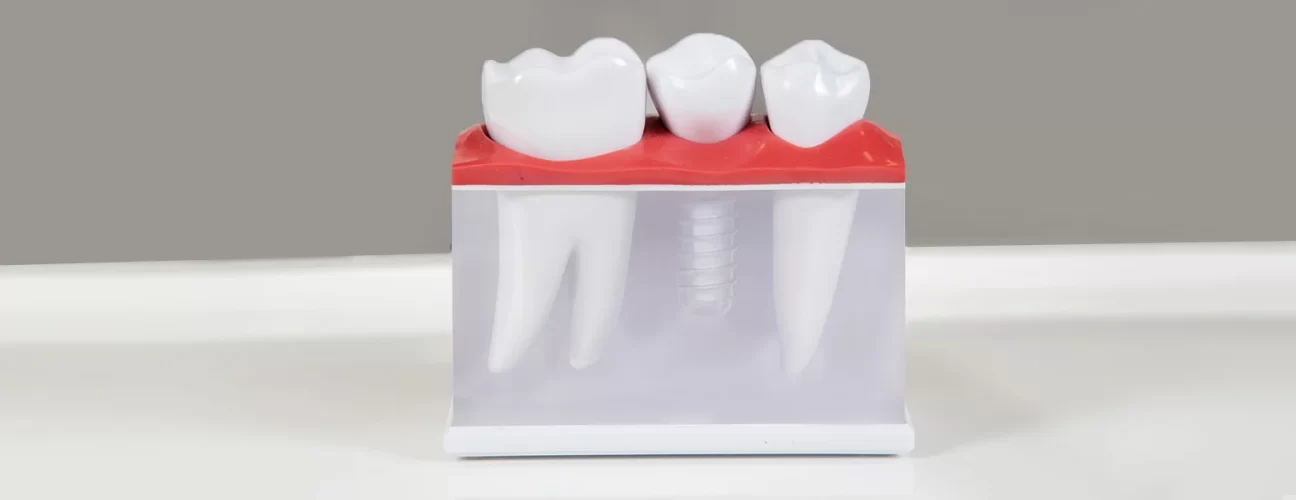
Dental implants replace the root portion of a missing tooth and are designed to support long-term chewing function and bite stability. Because the implant is placed within the jawbone, it behaves differently from removable appliances and can help preserve bone structure over time.
Tooth Loss Can Happen at Any Age
Missing teeth are not limited to seniors. Dentists regularly treat adults who lose teeth because of:
- Sports injuries
- Untreated cavities
- Cracked teeth
- Gum disease
- Failed dental procedures
- Congenitally missing teeth
When a tooth is lost, the surrounding jawbone gradually begins to shrink due to reduced stimulation during chewing. Over time, this can affect nearby teeth, facial support, and overall bite alignment.
Replacing missing teeth earlier may reduce future bone loss and help maintain long-term oral function.
How Dentists Determine Implant Candidacy
Implant eligibility depends more on oral condition and healing ability than age itself. Before recommending implants, dentists usually evaluate several clinical factors, including:
- Gum health
- Bone density
- Bite alignment
- Medical history
- Smoking habits
- Oral hygiene consistency
For younger adults, jaw growth must be fully completed before implant placement is considered. In most cases, this occurs during the late teenage years or early adulthood.
Healthy gums and adequate bone volume generally improve the likelihood of successful healing after implant placement.
Understanding the Connection Between Bone Health and Dental Implants
Dental implants require sufficient jawbone volume for long-term stability. After placement, the implant gradually fuses with the bone through a natural healing process called osseointegration.
If significant bone loss has already occurred, dentists may recommend bone grafting before placing the implant. Bone grafting helps rebuild weakened areas of the jaw and creates better structural support for the implant.
Many adults exploring dental implant options in Plano are often surprised by how much treatment planning focuses on bone quality, gum condition, and bite pressure before surgery even begins.
Can Seniors Safely Get Dental Implants?
Older adults can still be appropriate candidates for implants. In fact, many seniors choose implants because they provide more stability than removable dentures during eating and speaking.
Some individuals notice improvements in areas such as:
- Chewing comfort
- Denture retention
- Speech clarity
- Bite support
- Facial contours after tooth loss
Conditions such as diabetes or osteoporosis do not automatically prevent implant care, although they may require additional evaluation before surgery.
Medical history and oral condition are carefully reviewed before implant treatment begins, so dentists can identify potential healing concerns and reduce complications.
Comparing Implants With Other Tooth Replacement Options
Dentists may recommend different restoration methods depending on bone health, oral condition, and long-term goals.
Dental Bridges
Bridges replace missing teeth by attaching to neighboring teeth. In some situations, healthy teeth must be reshaped to properly support the bridge.
Dentures
Removable dentures are commonly used to replace several missing teeth and support everyday oral function.
Dental Implants
Implants are anchored directly in the jawbone, providing a more stable chewing experience than removable appliances. They may also help slow the bone loss that often occurs after tooth loss.
Some people who initially seek cosmetic treatments such as veneers or teeth whitening later discover that replacing missing teeth is equally important for maintaining bite function and long-term oral health.
Daily Habits Can Influence Implant Success
Healing after implant placement depends heavily on oral hygiene and overall health habits. During consultations, dentists often review factors that may increase the risk of complications, including:
- Smoking
- Teeth grinding
- Inconsistent oral care
- Uncontrolled diabetes
- Missed dental cleanings
Inflammation around implants may develop when plaque and bacteria accumulate near the gumline. Regular cleanings and home care are important for maintaining implant health over time.
Many people researching treatment online before visiting a dentist near me are usually trying to understand whether implants are a reliable long-term solution for missing teeth and chewing stability.
Cosmetic and Functional Advantages of Implants
Dental implants are designed to restore more than appearance alone. Replacing missing teeth may also improve chewing balance, speech comfort, and daily function.
Many patients appreciate that implants:
- Stay secure during meals
- Do not shift while speaking
- Blend naturally with surrounding teeth
- Help support facial structure
- Improve overall bite alignment
When front teeth are being replaced, implant planning also considers smile symmetry, gum shape, and tooth proportions to create more natural-looking results.
Choosing an Experienced Dental Provider
Implant care involves surgical planning, restorative treatment, and long-term maintenance. People exploring restorative dentistry options often look for experience in both cosmetic and functional dental care.
Patients searching for a dentist in Plano, TX, often seek careful treatment planning that considers bone support, gum health, bite stability, and long-term maintenance needs before procedures begin.
At Lutke Dental, implant recommendations are based on a detailed evaluation of oral health, bone structure, and individual treatment goals. This process helps patients better understand expected healing timelines, restorative options, and long-term implant maintenance before treatment begins.
FAQs
Yes. Adults with fully developed jawbones and healthy oral structures may qualify for implants regardless of age.
Dentists typically wait until jaw growth is complete before placing implants. This usually occurs during the late teenage years or early adulthood.
No. Implants may also replace a single missing tooth while helping preserve surrounding bone and bite stability.
Implants can remain stable for many years when supported by healthy gums, routine dental care, and consistent oral hygiene.
Smoking may increase the risk of healing complications and gum inflammation around implants. Dentists evaluate each case individually before treatment.
Most patients report manageable discomfort after surgery. Local anesthesia and detailed aftercare instructions help support recovery.

Dr. Gregory Lutke | Dentist
Dr. Gregory Lutke has more than 30 years of experience providing cosmetic and restorative dental care in Plano. He earned his DDS degree from Texas A&M Dental School in 1985 and continues to stay involved in advanced dental education. Dr. Lutke is a Past President and Board Member of the Texas Academy of Cosmetic Dentistry and has received recognition from both the American Dental Association and Texas Dental Association. His approach focuses on precision, long-term oral function, and patient-centered care. He continues to provide modern restorative and cosmetic treatment solutions designed to support healthy, confident smiles.